


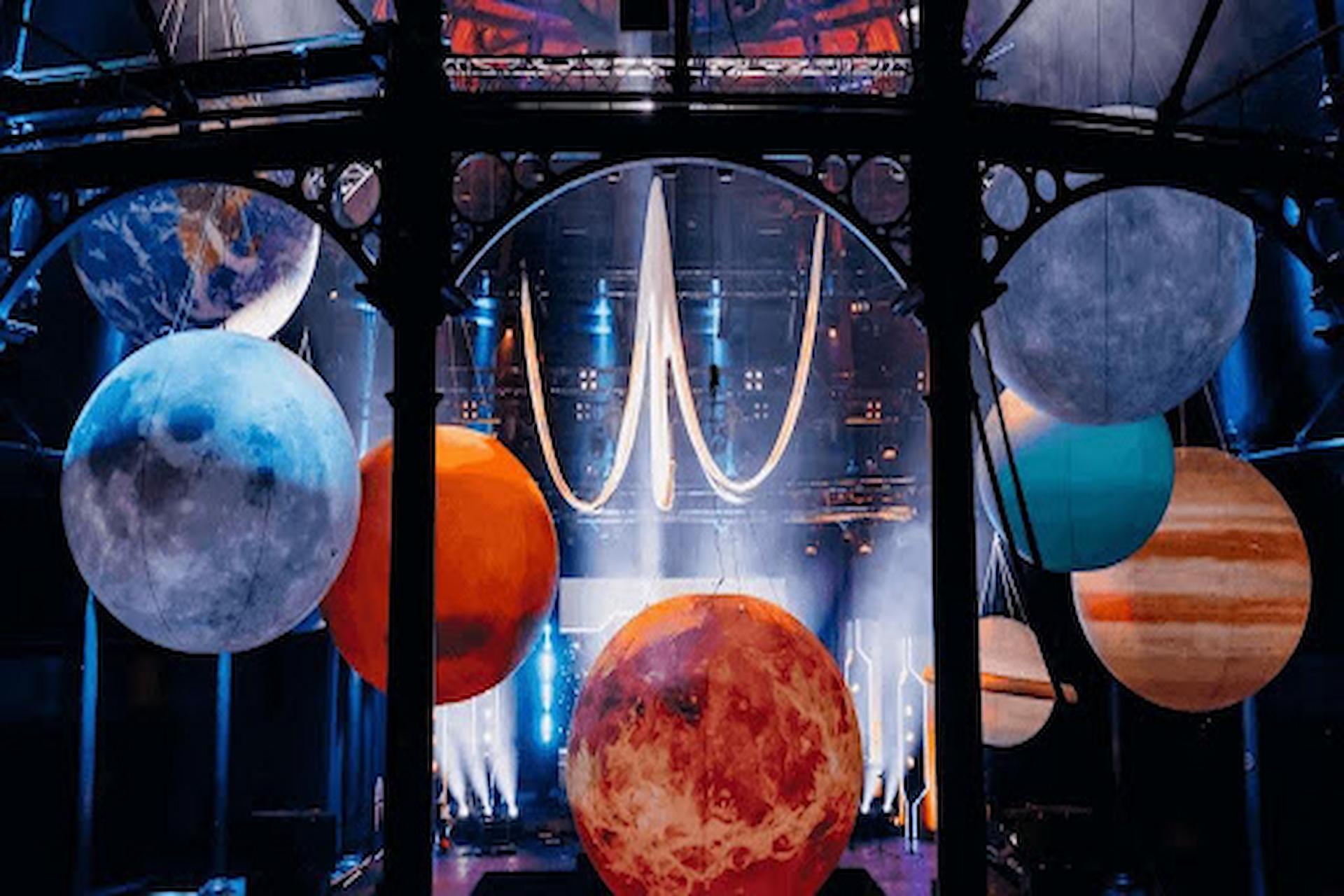
Inflatable marketing displays have become a creative and attention-grabbing way to promote brands at events, festivals, and retail spaces. Yet, as their popularity grows, so does the need to understand their environmental footprint. From materials and production to reuse and disposal, exploring their full impact can help create more sustainable advertising strategies.
Inflatable marketing displays are now a common sight across trade fairs, outdoor promotions, and corporate events. Their bright colours, unique shapes, and ease of setup make them ideal for businesses seeking visual impact without the heavy logistics of traditional signage. However, beneath the spectacle lies a growing question: how eco-friendly are these displays, and what can brands do to make them more sustainable? Companies like Megaflatables have brought innovation to this space, balancing creative design with environmental responsibility.
Blowing Up Your Brand: Understanding Inflatable Marketing Displays
These displays are large, air-filled promotional structures made from synthetic materials such as PVC or nylon. They can range from custom inflatable logos to large-scale replicas of products or mascots. Their lightweight nature and quick assembly make them highly practical for short-term use. However, their environmental impact stems primarily from their materials, manufacturing processes, and end-of-life disposal methods.
Material Choices and Sustainability
The majority of inflatable marketing displays are produced using PVC (polyvinyl chloride) due to its durability and cost-effectiveness. Yet, PVC is derived from fossil fuels and poses challenges in recycling because of its chemical composition. When not properly disposed of, it can release toxins into the environment.
Sustainable alternatives are slowly emerging. Some manufacturers are experimenting with TPU (thermoplastic polyurethane) and other recyclable or biodegradable options. These materials offer similar durability while reducing environmental harm. Although they may be slightly more expensive, they help brands align with modern sustainability goals.
Energy Use in Production and Operation
The production of inflatables requires energy-intensive processes, particularly in shaping and sealing materials. Additionally, inflatables rely on constant or periodic air supply from electric blowers or pumps during use. While each unit consumes relatively low energy individually, large-scale or prolonged installations can increase energy consumption.
Brands can minimise this footprint by:
- Choosing energy-efficient blowers.
- Using displays only during peak event hours.
- Investing in reusable inflatables instead of single-use designs.
By doing so, companies can enjoy visual appeal without unnecessary power waste.
Transportation and Carbon Footprint
Inflatables are surprisingly light and compact when deflated, which makes them easier and cheaper to transport compared to traditional rigid displays. This feature reduces the overall carbon footprint during shipping. Yet, the footprint can still vary depending on distance, frequency of use, and the type of transport involved.
Local sourcing and partnering with regional providers can further cut down emissions. When businesses collaborate with environmentally conscious suppliers such as Megaflatables, they contribute to a smaller carbon footprint while maintaining brand visibility.
Reusability and Lifecycle Management
One of the strongest environmental advantages of inflatable marketing displays is their reusability. Unlike banners or paper posters that are discarded after each event, inflatables can last for several years with proper care. This longevity makes them a more sustainable option when used repeatedly across multiple campaigns.
Maintenance is crucial. Regular cleaning, patching, and proper storage extend their life and reduce the need for replacements. When inflatables eventually reach the end of their usability, recycling or repurposing them into secondary products—like bags or art installations—can prevent landfill waste.
Waste and End-of-Life Concerns
Disposal remains a critical issue. Many inflatables are made of mixed materials that are difficult to separate for recycling. When burnt, PVC emits harmful gases such as dioxins, which can pollute air and soil. Therefore, responsible waste management is essential.
Manufacturers are beginning to implement take-back schemes where used displays are returned for proper recycling or repurposing. Encouraging clients to participate in such initiatives can significantly reduce environmental harm. Additionally, opting for modular designs—where only parts of the inflatable are replaced—can also extend overall usability.
Eco-Friendly Design Innovations
To address sustainability challenges, the industry is embracing innovation. Some modern designs now feature solar-powered blowers, biodegradable coatings, and recyclable fabrics. Water-based inks for branding and dyeing have replaced chemical-heavy alternatives. These improvements not only lower environmental impact but also appeal to eco-conscious consumers.
Incorporating environmental responsibility into design isn’t just about compliance—it also enhances brand image. Companies that prioritise green advertising solutions gain a reputation for responsibility and forward-thinking.
Balancing Marketing Goals with Environmental Ethics
Inflatable displays are undeniably effective in attracting attention. However, responsible marketing requires brands to consider both visual impact and environmental cost. Businesses can achieve this balance by:
- Choosing eco-certified suppliers.
- Reusing displays across multiple events.
- Opting for recyclable materials and green printing methods.
- Tracking and offsetting carbon emissions from production and transport.
By adopting such measures, brands can continue using inflatables without compromising on sustainability.
The Role of Responsible Manufacturers
The environmental footprint of inflatable marketing displays largely depends on manufacturer practices. Responsible producers now integrate lifecycle thinking—from material selection and energy-efficient production to recycling programmes. Megaflatables, for example, promotes reusable and sustainable inflatables, highlighting how innovation and environmental responsibility can coexist in modern advertising.
These manufacturers are setting industry standards for sustainability, ensuring that inflatables remain viable long-term marketing tools that align with global environmental objectives.
To Conclude
Inflatable marketing displays offer a creative and flexible way to capture audience attention, but they also come with environmental responsibilities. The industry is evolving towards more sustainable practices—adopting recyclable materials, efficient manufacturing, and extended product lifecycles. As businesses increasingly align with green values, choosing partners like Megaflatables ensures that marketing campaigns leave a positive impression without leaving a lasting environmental footprint.
