


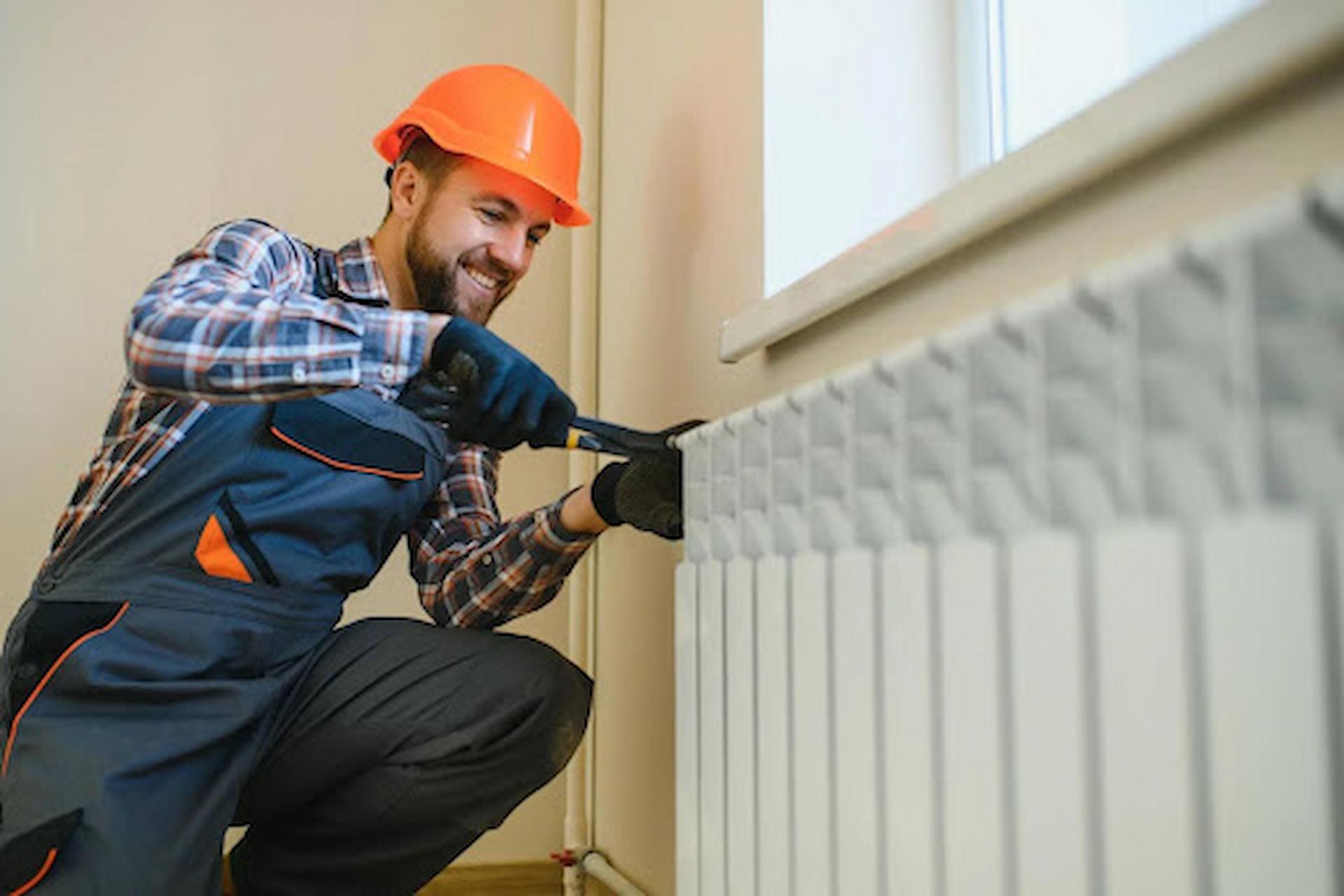
Thinking of upgrading your heating system with a stylish home feature? Installing designer radiators doesn’t have to be complicated. With the right approach, planning, and installation techniques, you can enjoy a warm home that also looks impressive. Here’s how to install designer radiators safely, efficiently, and confidently.
Designer radiators have become a standout feature in modern homes. They offer warmth while elevating interior aesthetics, making them a smart upgrade for anyone refreshing their living space. Whether you prefer bold vertical designs, sleek aluminium finishes, or compact hallway heaters, proper installation ensures performance and longevity.
Choosing reputable brands such as Stelrad helps ensure you invest in efficient, durable options that enhance comfort and décor.
Before drilling holes and tightening valves, it’s worth understanding what makes installation successful. The process requires planning, safe handling, and precise positioning to ensure heat is distributed evenly across the room.
Before You Begin: Plan and Prepare
Proper preparation sets the tone for a smooth installation. Radiators vary in shape, weight, and heating capacity, so checking the room size and heat requirements is essential. Heat output is often measured in BTUs (British Thermal Units). As a quick guide, larger rooms with high ceilings need higher BTU radiators than compact areas.
Another important step is assessing wall strength. Some designer radiators, especially cast iron or larger vertical units, require reinforced supports.
A few must-check points before installation include:
- Room size and heat output requirements
- Wall material and support
- Valve type and piping position
- Clearance around the radiator for airflow
Safe Handling and Secure Mounting
Designer radiators can be heavier than standard models. Wall brackets, screws, and fittings must be appropriate for the radiator’s weight. At this stage, accuracy matters—incorrect wall mounting can lead to uneven heating, internal pressure strain, or leaks.
Designer radiators should ideally be installed around 150mm from the floor to allow airflow and accessibility. Aligning the radiator horizontally and ensuring stable bracket support prevents performance issues later.
In the centre of your installation workflow, reconsider brand options and product build quality. Reliable manufacturers such as Stelrad offer consistent build standards and clear installation guidance that support a safe and durable fitting.
Plumbing and Pipework: Getting the Connections Right
Radiators are connected to a central heating system via pipework, valves, and sometimes thermostatic controls. If the existing pipes are not aligned with the new radiator, adjustments may be required.
Common valve types include:
- Manual valves – Basic temperature control
- Thermostatic radiator valves (TRVs) – Automatically regulate heat
- Lockshield valves – Control water flow balance between radiators
Understanding these terms ensures you make informed decisions during installation.
Once fitted, bleeding the radiator removes trapped air that may prevent efficient heating. This is done using a simple bleed key once the radiator warms up, ensuring warm water circulates freely.
Testing, Bleeding, and Balancing
After installation, the radiator isn’t ready to go just yet. Testing ensures everything is working correctly.
Follow a simple checklist:
- Check all valve joints for leaks
- Power on the heating system
- Bleed the radiator to release trapped air
- Ensure the heating is even from top to bottom
Balancing ensures all radiators in the home heat evenly. This involves adjusting the lockshield valve so each unit receives the correct flow of heated water.
Actionable Takeaways
To help simplify the process, here are key points to remember:
- Measure BTU requirements before purchasing
- Ensure walls can support the radiator weight
- Use the correct valve type for your heating needs
- Leave space around the radiator for airflow
- Test the radiator and bleed after installation
Finishing Touches: Function Meets Design
Designer radiators are more than heating appliances—they’re part of your home’s visual appeal. Once installed, ensure the unit is accessible for maintenance, cleaning, and seasonal adjustments. A well-installed radiator should look integrated, not improvised.
Quality matters throughout the process. Established brands like Stelrad provide durable materials, tested performance, and reliable customer guidance, making long-term upkeep easier and more efficient.
Wrap-Up
Installing a designer radiator is a rewarding upgrade, but it requires care and attention to detail to ensure safe operation and efficient performance. From choosing the right size and checking support strength to bleeding and balancing the system afterward, each step plays an important role in how well the radiator performs. Selecting a reliable manufacturer such as Stelrad adds confidence and long-term value to your installation. If you are ready to elevate your home with warmth and visual style, take your time, plan ahead, and make the installation count.
