


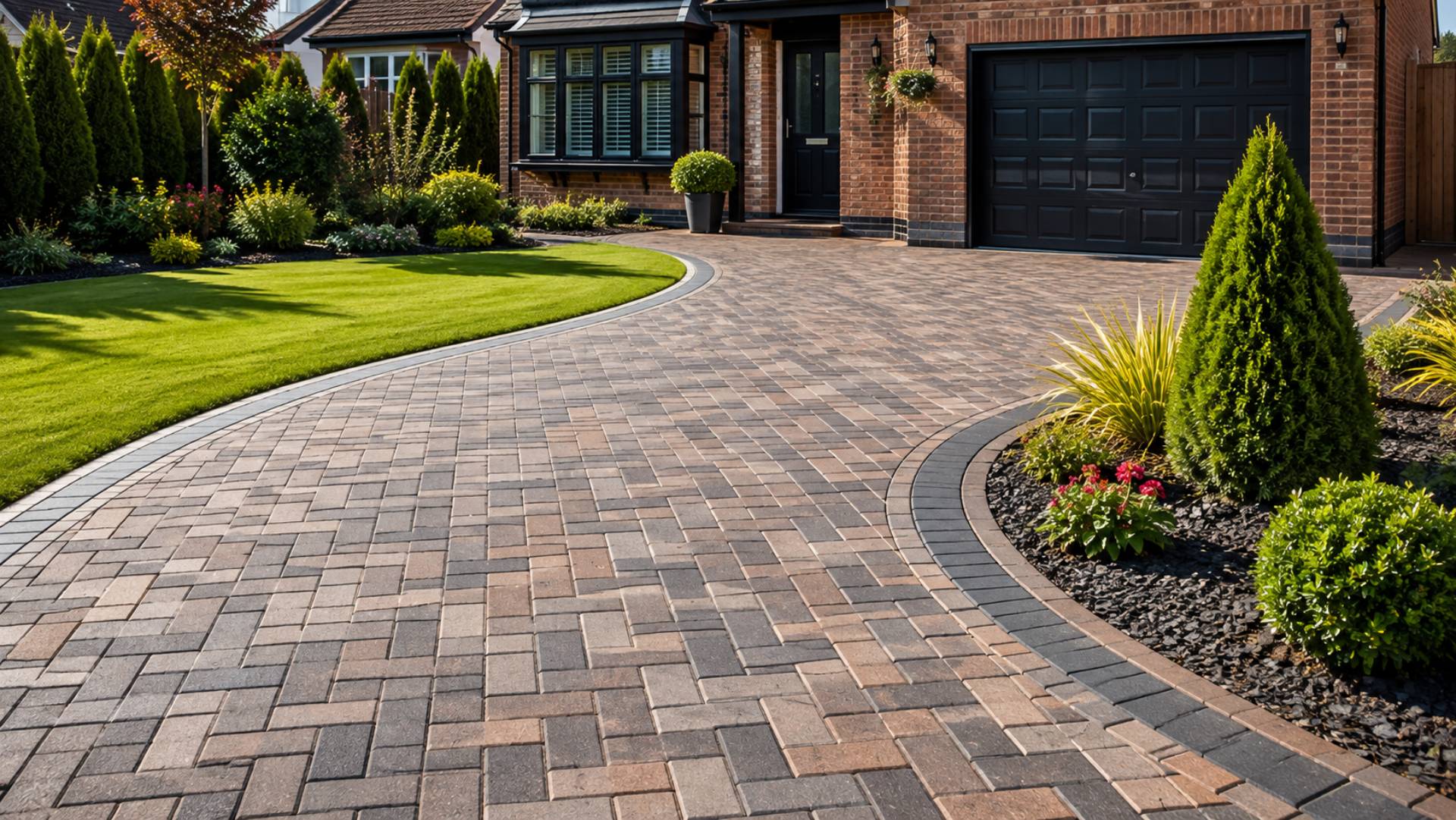
Block paving is a versatile choice for driveways, patios, paths and garden areas. Available in numerous colours, shapes and finishes, it can complement both traditional and contemporary homes while providing a practical surface for everyday use.
Why Choose Block Paving?
Unlike a continuous concrete or tarmac surface, block paving consists of individual units. Damaged or stained blocks can therefore be lifted and replaced without renewing the entire area.
Homeowners considering Bournemouth block paving can also benefit from considerable design flexibility. Different block sizes, colours and laying patterns can be combined to suit the property’s architecture, boundary features and surrounding landscape.
When correctly installed, block paving offers:
- A strong surface for vehicles and pedestrians
- Straightforward access to underground services
- Replaceable individual blocks
- A wide choice of decorative finishes
- Good long-term durability
- Potential drainage solutions
Popular Block Paving Designs
The laying pattern affects appearance, strength and the amount of cutting required during installation.
Herringbone
Herringbone patterns are commonly used for driveways because the interlocking arrangement resists movement from vehicle braking and turning. Blocks may be laid at either 45- or 90-degree angles.
Basketweave
Basketweave creates a traditional, decorative appearance by arranging pairs of rectangular blocks in alternating directions. It works particularly well for patios, paths and period-style properties.
Stretcher Bond
Stretcher bond uses offset rows similar to conventional brickwork. Its simple lines can make narrow paths appear longer and provide a clean finish for contemporary outdoor areas.
Borders in a contrasting colour can define the paved area, frame planting beds or separate parking spaces. However, using too many colours or patterns may make a smaller frontage look unnecessarily busy.
Select Suitable Materials
Concrete blocks are widely available, consistent in size and offered in many colours and textures. They can provide a practical balance between appearance, durability and budget.
Clay pavers develop a distinctive character and usually retain their natural colour well. Natural stone creates an individual finish because each piece varies slightly, although it can require a higher budget and more specialised installation.
Choose blocks rated for their intended use. Products suitable for a garden path may not have the strength or thickness required for a frequently used driveway.
Preparation and Installation
Good preparation is essential. The ground should be excavated to the correct depth, with soft spots and unsuitable material removed. A properly compacted sub-base then creates a stable foundation.
Edge restraints must be installed securely before the laying course and blocks are positioned. Once the pattern is complete, kiln-dried jointing sand is brushed between the blocks and the surface is compacted.
When obtaining quotations for Bournemouth block paving, ask installers to specify the excavation depth, sub-base material, block thickness, edge restraints and waste removal. This makes it easier to compare the proposed construction rather than judging estimates solely by price.
Plan Drainage Carefully
Driveway drainage must be considered before work begins. Water should not be directed towards the house, neighbouring land or the public highway.
For front gardens in England, planning rules may apply when more than five square metres is covered with traditional impermeable surfacing. Permeable block paving, drainage channels or directing water towards a lawn or soakaway may provide a suitable solution, depending on site conditions.
A responsible installer should assess levels, ground permeability and existing drainage instead of relying on a standard design for every property.
Maintenance and Durability
Sweep the paving regularly to prevent soil and organic matter from accumulating. Weeds usually establish in debris within the joints rather than growing directly through properly constructed paving.
Occasional washing can remove general dirt, but pressure equipment should be used cautiously to avoid displacing jointing sand. Replace lost sand once the surface is dry.
Address settlement, loose edges or persistent standing water promptly. These signs can indicate problems with the base, restraints or drainage that may worsen if ignored.
Choosing a Reliable Installer
Request examples of completed projects and check recent customer feedback from more than one source. The installer should hold appropriate insurance and provide a written quotation covering materials, labour, drainage, waste removal and the anticipated schedule.
Ask about workmanship and product guarantees, including their duration and exclusions. Avoid contractors who recommend unnecessary work, provide only verbal prices or demand full payment before completion.
Conclusion
Successful block paving depends on a suitable design, durable materials and careful groundwork. By planning drainage, comparing detailed quotations and checking an installer’s experience, homeowners can create an attractive outdoor surface that remains practical and serviceable for many years.
