


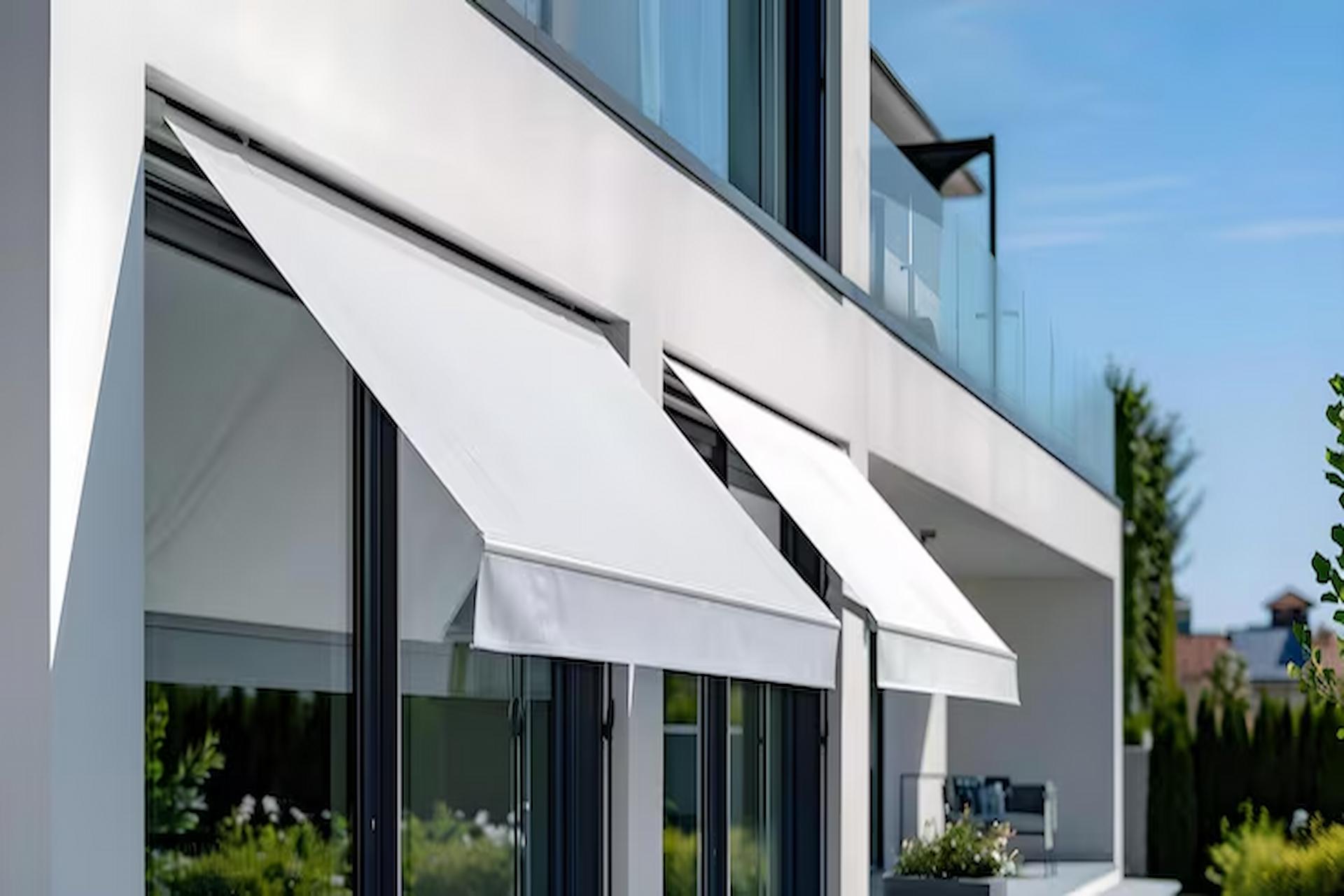
Summer heat can quickly turn your home into an uncomfortable and expensive space to maintain. As temperatures rise, so does the reliance on air conditioning, often leading to higher energy bills and increased environmental impact. Many homeowners focus on internal cooling solutions, but external shading plays an equally important role in regulating indoor temperatures. A well-designed awning offers a practical, energy-efficient way to reduce heat gain before it even enters your home.
One of the most effective ways to manage solar heat is by installing a house awning over windows, patios, or doors that receive direct sunlight. By blocking harsh rays, an awning significantly reduces the amount of heat that penetrates your interiors. This simple addition can make a noticeable difference in both comfort levels and energy consumption, particularly during prolonged heatwaves.
Understanding How Heat Enters Your Home
To appreciate the value of an awning, it helps to understand how heat builds up indoors. Sunlight passing through windows is one of the primary contributors to rising indoor temperatures. Glass surfaces allow solar radiation to enter but trap the heat inside, creating a greenhouse effect.
The Role of Solar Gain
Solar gain refers to the increase in temperature caused by sunlight entering a building. South- and west-facing windows are particularly vulnerable, as they receive the most intense afternoon sun. Without protection, these areas can significantly increase the cooling load on your home.
Why Internal Solutions Fall Short
Curtains, blinds, and reflective films can help to some extent, but they only address heat after it has already entered the space. External shading, on the other hand, stops sunlight before it reaches the glass, making it far more effective in reducing overall heat gain.
How Awnings Improve Energy Efficiency
Installing an awning is not just about comfort; it is a strategic move to improve your home’s energy efficiency. By reducing the amount of heat entering your home, you lessen the demand on your cooling systems.
In fact, a properly positioned house awning can lower indoor temperatures by several degrees, depending on the material and coverage area. This translates into reduced usage of air conditioning units, which are often the largest contributors to household energy consumption during summer months.
Reduced Air Conditioning Usage
When your home remains naturally cooler, your air conditioning system does not need to work as hard or run as frequently. This not only cuts down on energy bills but also extends the lifespan of your HVAC system.
Lower Carbon Footprint
Using less electricity for cooling contributes to a reduction in greenhouse gas emissions. For homeowners seeking sustainable solutions, awnings offer a simple yet impactful way to make a positive environmental difference.
Types of Awnings and Their Cooling Benefits
Not all awnings are created equal. The design, material, and placement all influence their effectiveness in reducing heat.
Retractable Awnings
Retractable awnings provide flexibility, allowing you to extend or retract them based on weather conditions. During peak summer hours, they offer maximum shade, while in cooler months, they can be retracted to allow sunlight in.
Fixed Awnings
Fixed awnings are permanently installed and provide consistent protection. They are particularly useful for windows that receive constant sunlight throughout the day.
Material Matters
The fabric or material of the awning plays a crucial role in its performance. High-quality, UV-resistant fabrics can block a significant percentage of solar radiation while remaining durable and weather-resistant.
Key Benefits of Installing a House Awning
Awnings offer a range of advantages beyond just cooling. Their impact extends to comfort, aesthetics, and long-term savings.
- Reduces indoor temperatures by limiting direct sunlight exposure
- Lowers energy bills by decreasing reliance on air conditioning
- Protects furniture and flooring from UV damage and fading
- Enhances outdoor living spaces by creating shaded areas
- Adds visual appeal and value to your property
Strategic Placement for Maximum Effect
To get the most out of your awning, placement is critical. Installing awnings on the right areas of your home can dramatically improve their effectiveness.
Focus on Sun-Exposed Areas
Windows and doors that face south or west typically receive the most sunlight. Prioritising these areas ensures maximum heat reduction.
Consider Size and Coverage
Larger awnings provide more shade, but they must be proportionate to your space. Proper coverage ensures that sunlight is blocked throughout the day, even as the sun’s angle changes.
Combine with Landscaping
Pairing awnings with natural shading elements such as trees or shrubs can further enhance cooling efficiency. This layered approach creates a more comfortable and energy-efficient environment.
Long-Term Cost Savings
While installing an awning involves an upfront investment, the long-term financial benefits are substantial. Reduced energy bills quickly offset the initial cost, making it a cost-effective solution over time.
Return on Investment
Homeowners often see a noticeable reduction in their summer electricity bills after installing awnings. Over several seasons, these savings accumulate, providing a strong return on investment.
Increased Property Value
Energy-efficient features are increasingly attractive to buyers. A well-installed awning can enhance your home’s appeal and potentially increase its market value.
Maintenance and Durability
Modern awnings are designed to be low-maintenance and long-lasting. With proper care, they can provide years of reliable performance.
Simple Upkeep
Regular cleaning and occasional inspections are usually sufficient to keep your awning in good condition. Most high-quality materials are resistant to mould, fading, and weather damage.
Weather Resistance
Many awnings are built to withstand varying weather conditions, including wind and rain. Choosing a durable material ensures that your investment remains protected over time.
Conclusion
Reducing cooling costs during summer does not always require complex or expensive solutions. A thoughtfully installed awning offers a practical and efficient way to manage indoor temperatures while enhancing your home’s comfort and appearance. By blocking sunlight before it enters your living space, awnings reduce the need for artificial cooling, leading to lower energy bills and a smaller environmental footprint.
For homeowners seeking a balance between functionality and sustainability, investing in an awning is a smart and forward-thinking choice. It delivers immediate comfort and long-term savings, making it a valuable addition to any property.
